
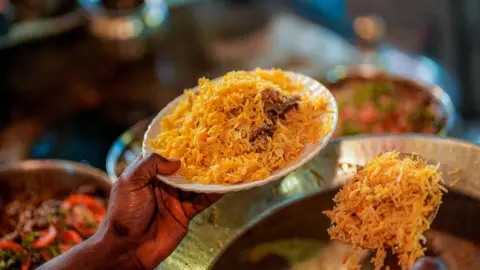
Tempting kebabs, fragrant biryani, and whipped, cloud-like desserts.
The historic city in northern India of Lucknow has consistently been a haven for gastronomes, with residents and tourists equally swearing by its remarkable cuisine.
Worldwide Recognition
Last month, Unesco honored it as a UNESCO Creative City for Gastronomy – including it in a prestigious group of international urban centers and igniting hopes that it will showcase Lucknow's peerless food. With this designation, it joins a international community of more than four hundred urban centers across over 100 countries focused on promoting "creativity as a driver of development that sustains urban life".
The recognition "stands as proof of its centuries-old food heritage and lively food ecosystem," according to a representative from UNESCO's regional bureau for South Asia.
Lucknow is only the second Indian city – following Hyderabad, which was selected in 2019 – to earn a spot in this coveted list of 70 global destinations around the world.
A City Defined by Food
The recognition for this venerable city arrives as hardly a shock to its locals or passionate food lovers. Many echo the sentiment that it is "a recognition that was delayed".
With the UNESCO recognition, this cherished, lively, and vibrant city – the capital of India's biggest state – is finally in the global gaze for what has perennially shaped its soul: an immense love for food.
"'What will be cooked, how will it be cooked' is a continued dialogue from morning until going to bed in many homes," states a local cultural expert. "And you are actually evaluated by the excellence of food that comes out of your kitchen."
A Heritage of Nawabi Cuisine
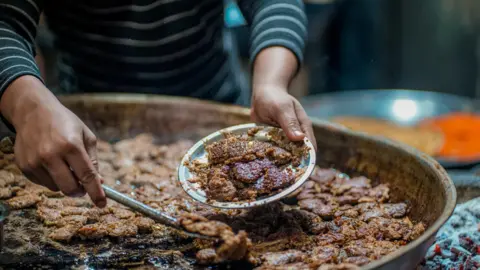
The City of the Nawabs – as it's popularly called after its 18th and 19th Century wealthy Muslim rulers – is noted for its tender kebabs and a unique take on biryani that were invented, refined, and elevated to extraordinary levels in their royal kitchens.
These kitchens of the nobility were epicenters of food experimentation, fusing Iranian and indigenous Indian styles to create what became known as the food of Awadh.
It was in that period that Lucknow's renowned kebabs were developed. As the tale is told that the galouti kebab was created to feed an ageing nawab who had lost his teeth. His cooks processed the meat with papaya, kesar, and a blend of spices and made it so soft that it required no chewing.
But arguably the most significant contribution of the cooks of Awadh was the slow-cook Dum pukht technique, where food is cooked on a gentle, slow heat, with the container's cover securely closed with a flour paste.
Beyond Kebabs and Biryani
Apart from the obvious kebabs and biryani, the cooks also built up a vast array of dishes that included kormas (rich curries), sheermal (saffron-infused flatbread), and shahi tukda (a sweet bread pudding).
However, Lucknow is not just about kebabs and biryani – the region is additionally a haven for vegetarians.
The local Baniya community's cuisine doesn't just highlights seasonal produce but also gives the city its highly curated Indian desserts, sweets, and distinctive street food, like chaat – zesty fried snacks.
Hidden Gems and Legacy Eateries
Nearly on every corner, there are little shops and kiosks – little-known gems that are extremely popular with the locals.
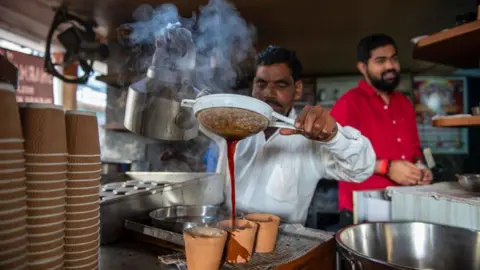
In the heart of the city of Hazratganj, large gatherings start gathering from 5 am at a famous tea stall to get a piping hot cup of spiced tea with milk, served in kulhads, along with pillowy soft buns covered in freshly churned white butter.
To start the day, one can head to a unpretentious joint located in the historic quarter of Aminabad. Almost 150 years after it was set up, the place is still highly popular for its hot kachoris (fried bread stuffed with lentils) and jalebis (crispy, syrup-soaked sweets).
Preserving Tradition for the Future
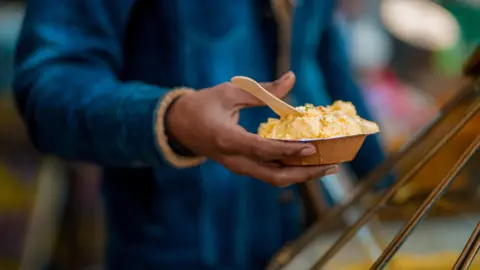
The city also presents remarkable seasonal delights, such as makkhan malai, a airy dessert savored in the winter. The process of making it is precise and complicated. The cook beats the milk and then leaves it out at night, allowing the nighttime moisture to give it its unique airy feel.
On chilly mornings, street vendors line up in historic neighborhoods like Aminabad and Chowk. Many however express concern that their children do not want to take up the art.
A renowned chef from Lucknow has often said that the city's immense food legacy positions it right on top of the Indian street food experience. The real value from the UNESCO recognition, however, will be realized only if Lucknow can now generate interest about its hidden eateries.
Every dish in Lucknow comes with a history – influenced by family-run food businesses, from modest street carts to busy restaurants, and closely held family recipes.
The worldwide honor, it is anticipated, will motivate more people around the world to learn these stories and experience the city to savour the gastronomic treasures of Lucknow.


